

The sun showers the mountains of Urtsadzor in Armenia’s Ararat province. At seven in the morning, Narine wakes up as usual; she washes, puts on her uniform, styles her hair, dons her cap, then slips on her running shoes and steps out of the room. She pauses for a moment on the small balcony, gazes at the mountains opposite, and smiles.
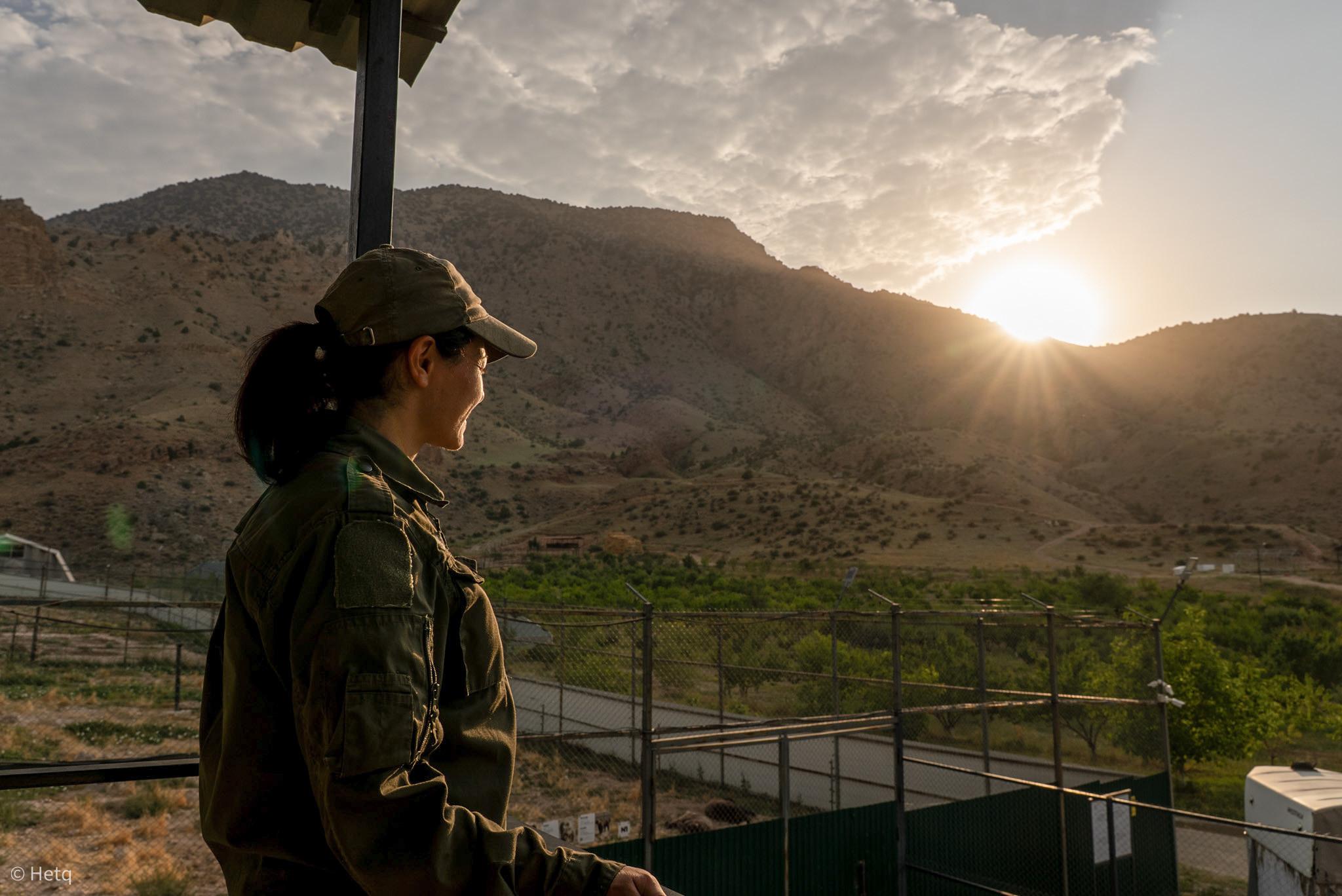
7:30 AM is nap time for the cubs, while the adult bears are already awake, awaiting the surprises of the new day. Narine knows by heart that the giant Plant will be the first to race toward the “iron tree” where the food caches are placed, Dasha will run to search for food hidden under the rocks, and Balu will hurry toward the tire. These bears, and others who shared their fate, once lived in captivity, suffering from physical and psychological trauma.
Narine Piloyan works as the Bear Rescue Program Coordinator at the Wildlife Rescue Center (WRC) of the Foundation for the Preservation of Wildlife and Cultural Assets (FPWC). Brown bears held in captivity are brought here—to the Urtsadzor rehabilitation center—after being freed from their cages. Animals that have been confined in cramped spaces for extended periods suffer from both physical and psychological issues.
The Rescue of Aram, Nairi, and Lola
It was raining in Yerevan on March 20, 2025. After a long legal battle, specialists from the rescue center finally managed, on that day, to free a family of three bears from a dark, filthy cage at a home in Yerevan’s Malatia-Sebastia administrative district.
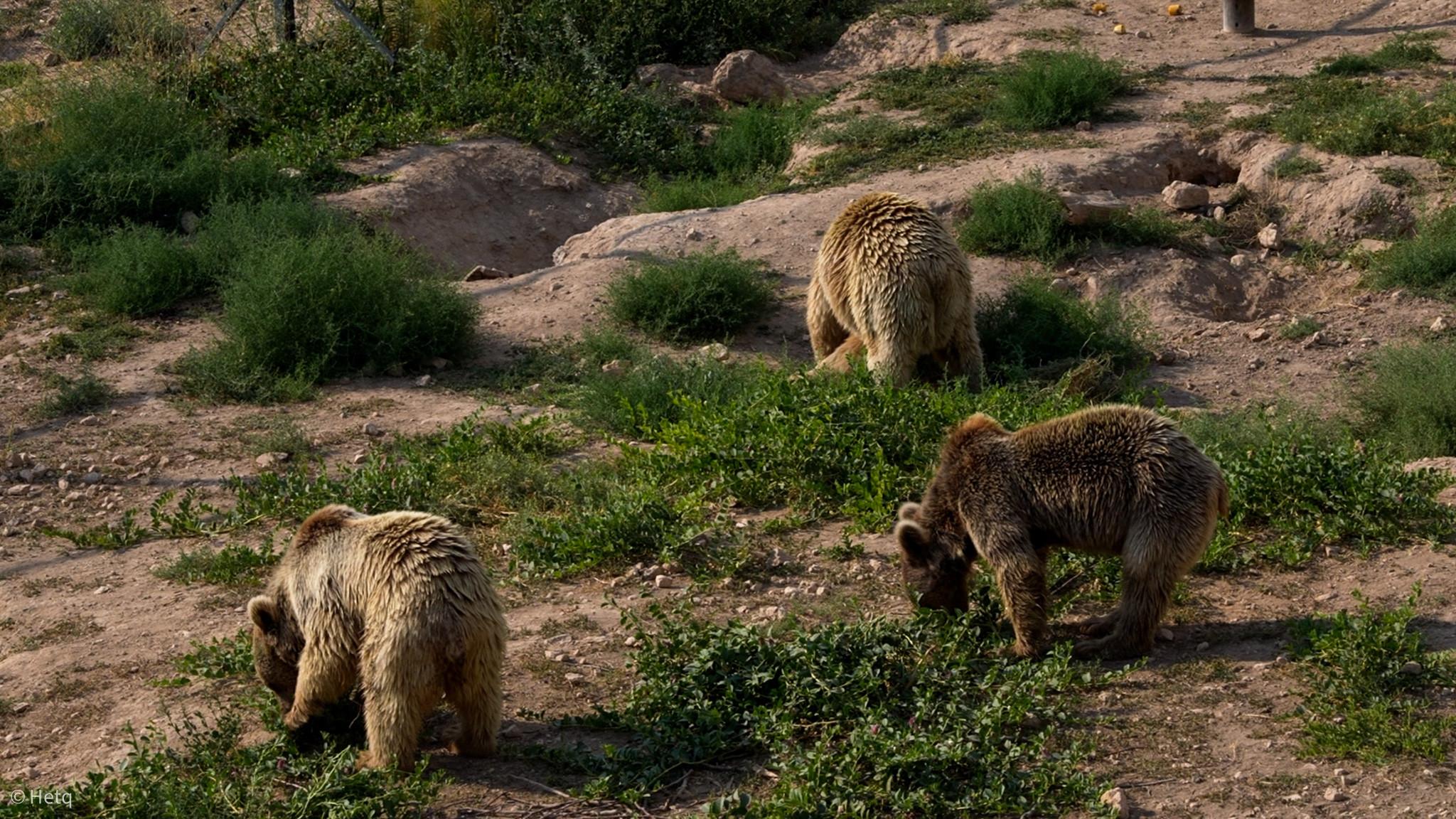
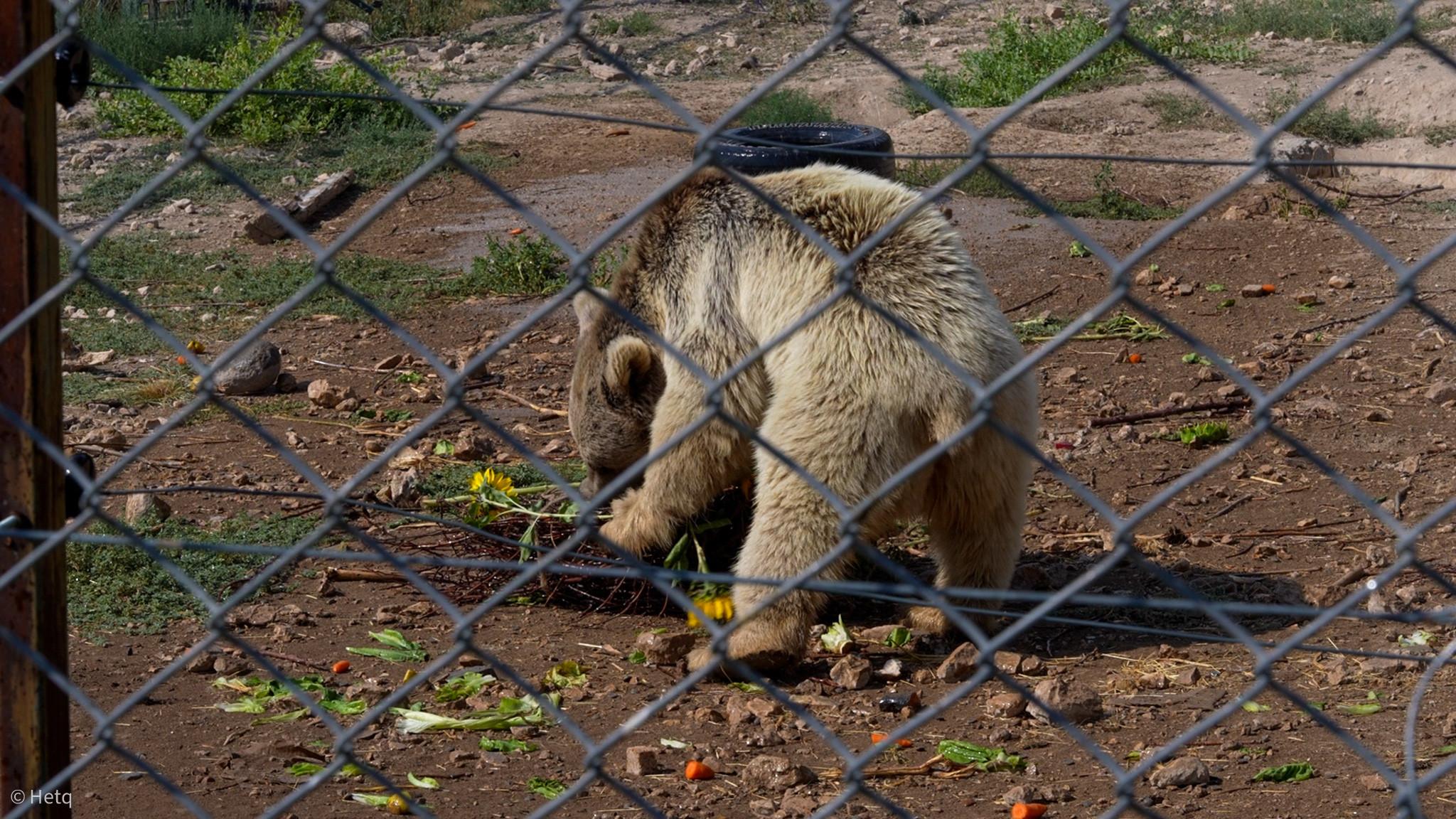
Today, Narine approaches one of the enclosures at the rescue center—located at the foot of Mt. Khosrovasar—where Aram (the male), Nairi (the female), and Lola (their cub) now live. These bears may well have forgotten the day of their rescue. But Narine remembers it vividly, as it was the first time she had joined an animal rescue mission.
For a long time, the bears’ owner had refused to surrender the animals, denying that they were being kept in poor conditions. It was only through a court order and hours of negotiation that law enforcement officers and environmentalists were able to enter the premises where the three bears were being held amidst darkness, dampness, and their own filth. Narine recalls that the male bear—later named Aram—weighed 344 kg, which was well above the norm. The animal had become obese due to an improper diet and an inability to move around sufficiently within a confined space.
“But look at Aram now; see how handsome and charming he is,” Narine says with a smile, glancing at him.
A Mother’s Devotion
According to Narine, the female bear, Nairi, had given birth to cubs before being rescued from captivity, though тхе environmentalists had been told they had died. What happened remains unclear; it is possible the cubs were given away or sold to others. Only one cub—Lola—was with Aram and Nairi at the time of their rescue.
After arriving at the rescue center, Nairi’s stress was evident. Narine recounts that the mother bear treated her older cub, Lola, as if she were a newborn, nursing her to cope with the stress. Nairi’s maternal instinct was so strong that, even though food was plentiful at the rescue center, she continued to save the best morsels for Lola.
As for Lola—the “baby of the family”—Narine notes that she still behaves like a mischievous, “spoiled” child to this day. According to Narine, she is the cheeriest bear at this Urtsadzor center. Conservationists also discovered that Lola has a brother, whom they managed to rescue and bring to the center as well.
Returning to Natural Instincts
Months after the rescue—during the hibernation season—Aram prepared his den, much to the delight of the center’s staff. All three hibernated. The center creates facilities for the bears that closely mimic natural conditions, yet not all of them hibernate, as in their “former lives”—living in unnatural environments—they largely had no need for hibernation.
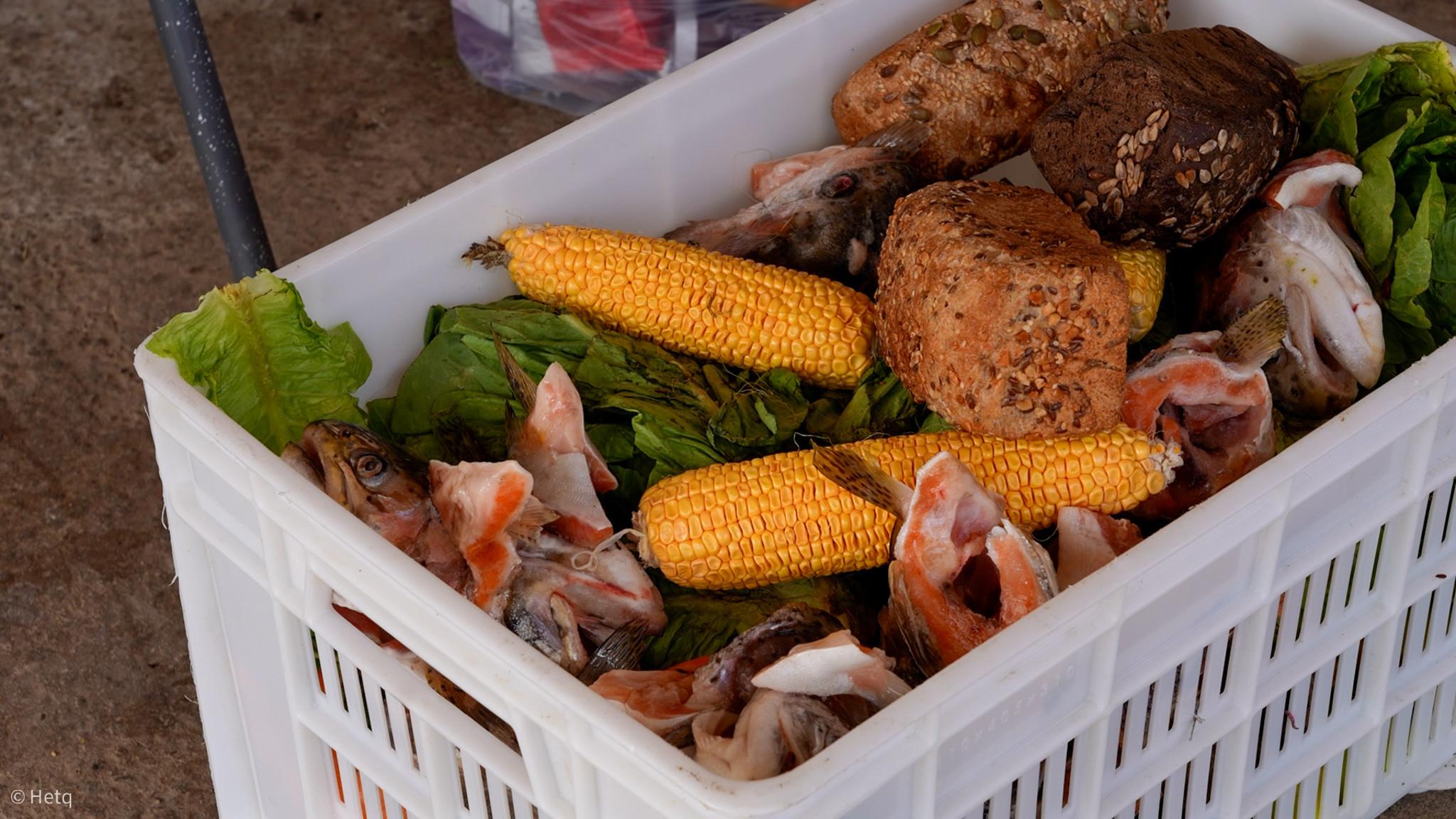
Back at the enclosure, Aram, Nairi, and Lola are eagerly awaiting their food. Hayk, a staff member at the rescue center, brings out frozen fish, seeded black bread, apples, carrots, corn, and beets from the refrigerator. They weigh the items with Narine, then take a length of flax thread and, using large needles, string the fish, fruit, and vegetables onto it, creating complex food garlands to stimulate the bears’ natural foraging behaviors.
Overcoming Psychological Trauma Through Enrichment
Beyond physical ailments like obesity and damaged teeth, paws, rescued animals carry deep psychological scars. Confined for years in tiny spaces, many exhibit “stereotypic behavior”—ceaselessly pacing back and forth or walking in circles due to intense psychological distress.
To heal these hidden wounds, the rescue center uses dynamic enrichment activities. Food is hidden under rocks, buried in soil, or placed high in branches to trigger their wild instincts, keeping them physically active and mentally engaged. Staff routinely alter the enclosure layout and introduce new scents to replicate the rich mountain environment the animals missed in captivity.
Seasonal Diets and a Special Treat
The bears’ diet shifts dynamically with the seasons. In autumn, they receive high-calorie foods to build up the necessary fat reserves for winter hibernation. When they awake in spring, staff gradually increase their intake, beginning with heavy greens to stimulate their digestive systems. Overall, their omnivorous diet remains 80 percent plant-based and 20 percent animal-based, with fish serving as a clear favorite.
With the food trays prepared, Narine pauses to cut a few fresh sunflowers—grown in the center’s yard for the first time this year. Turning to Aram, Nairi, and Lola, who are watching her closely from the enclosure, she smiles. “Look, you already like them. They’re for you,” she says with her characteristic hearty laugh.
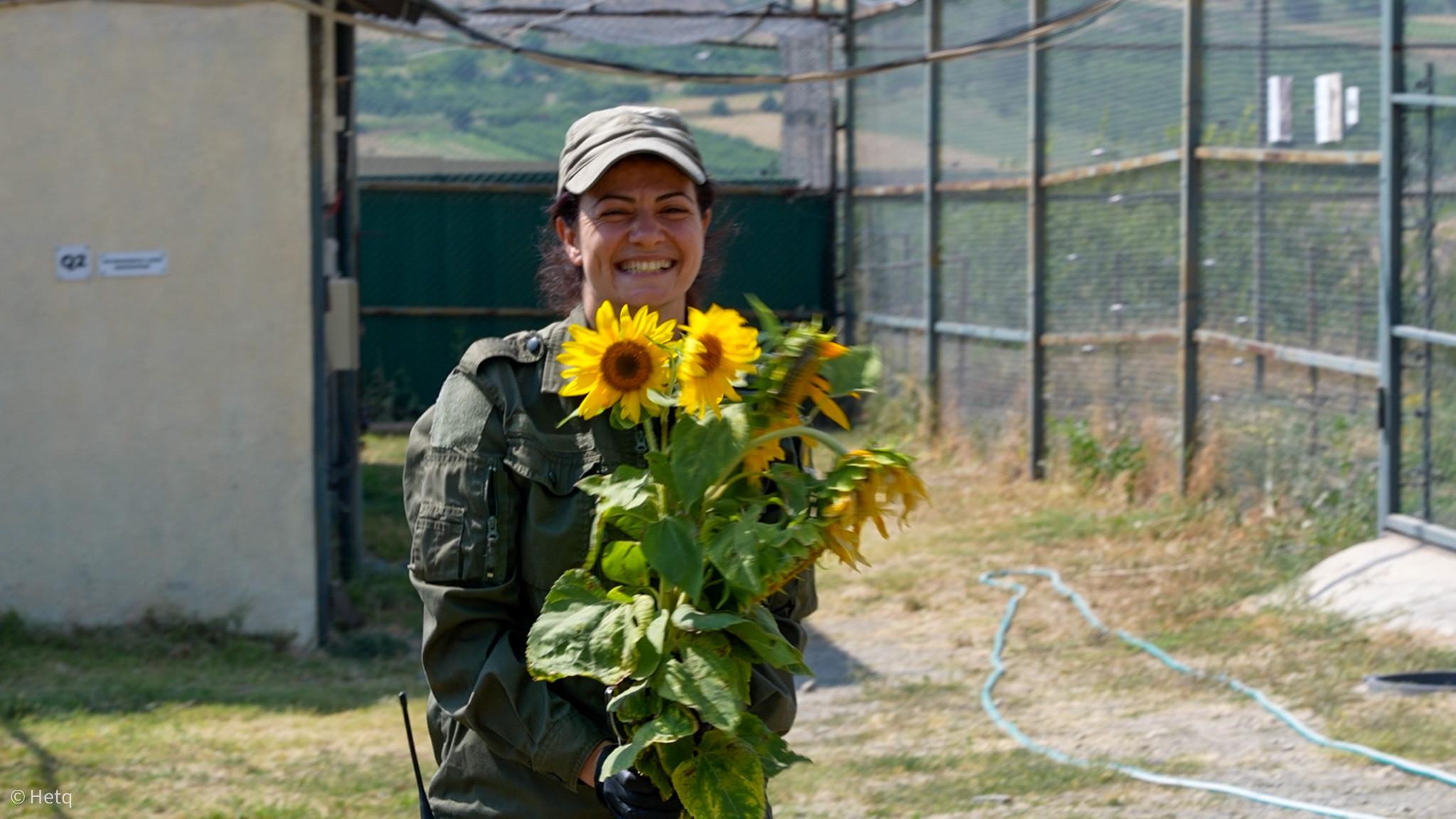
Driven by a keen eye for aesthetics, Narine carefully secures the freshly cut sunflowers into a bundle of brushwood where she has already hidden treats.
“I want it to look beautiful, too,” she says. “Nature itself is stunning, and who says that we are the only ones who appreciate that beauty? I’m absolutely delighted when we create something lovely, only for them to come along and tear it apart. To me, that reaction shows they really enjoyed it.”
When asked if it ever hurts to see her hard work ruined in an instant, she laughs again. “I’d be offended if I went to all that trouble to build something and they didn’t tear it down.
“It doesn’t even take a second,” Hayk chimes in with a smile.
Once the preparations are complete, Hayk presses a button to open the iron door of the adjacent structure. Aram, Nairi, and Lola instinctively step inside. They have learned that entering means they will soon return to an enclosure filled with hidden food and fresh surprises. While the bears wait safely, Narine and Hayk quickly clean the area and set out the morning feast.
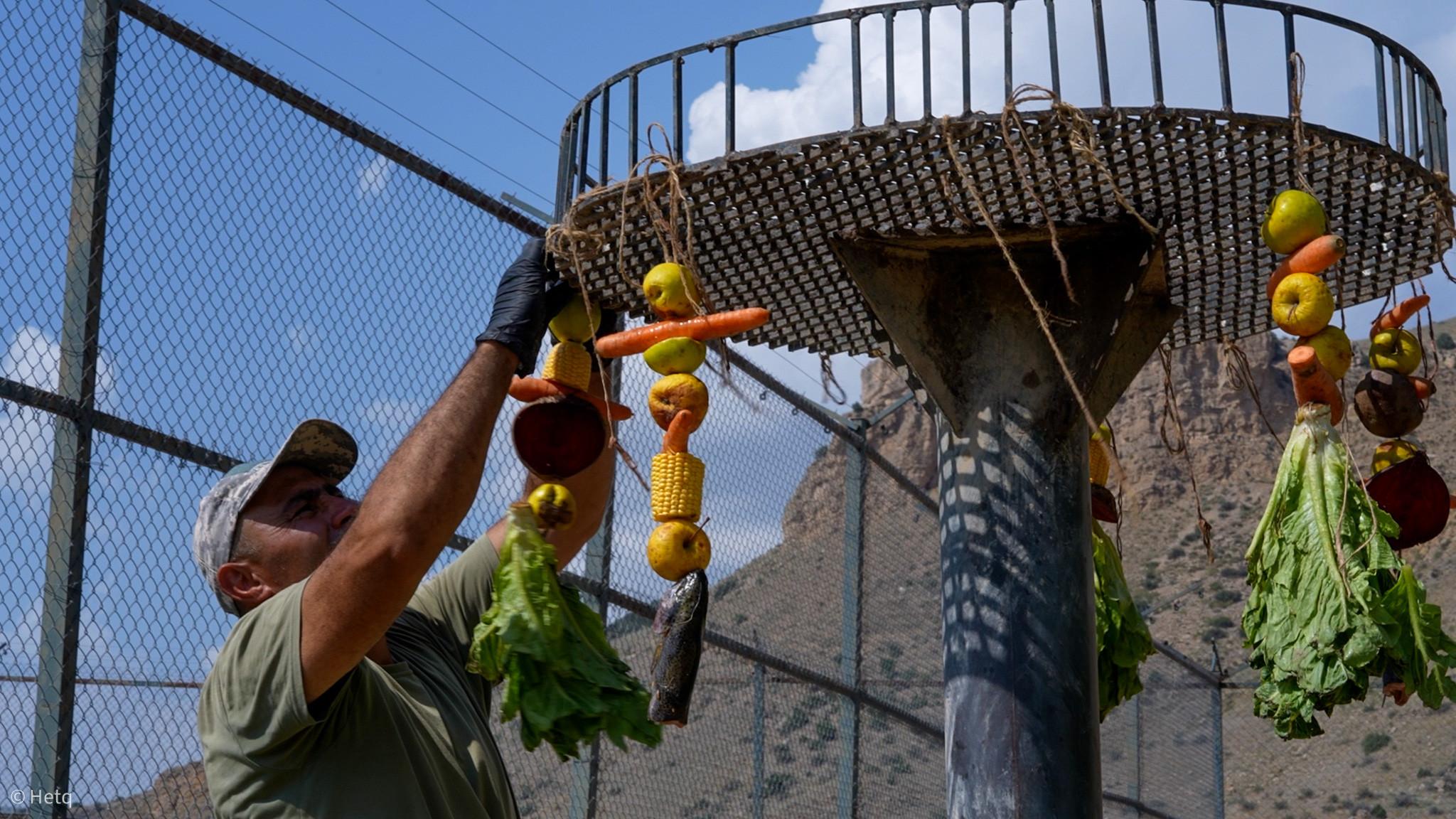
They meticulously hang the food-laden strings from the “iron tree,” tucking additional treats among tree branches, burying them in the ground, and hiding them inside a play tire. To entice the bears’ keen senses, Hayk smears sweet, condensed milk across the log and surrounding stones. It is well known that these furry, sweet-toothed creatures are particularly fond of honey, which regularly features on their menu. Meanwhile, Narine cleans the water basin. She notes with amusement that although Aram, Nairi, and Lola have access to a large pool like the other residents, the family stubbornly prefers squeezing into the small basin together to cool off.
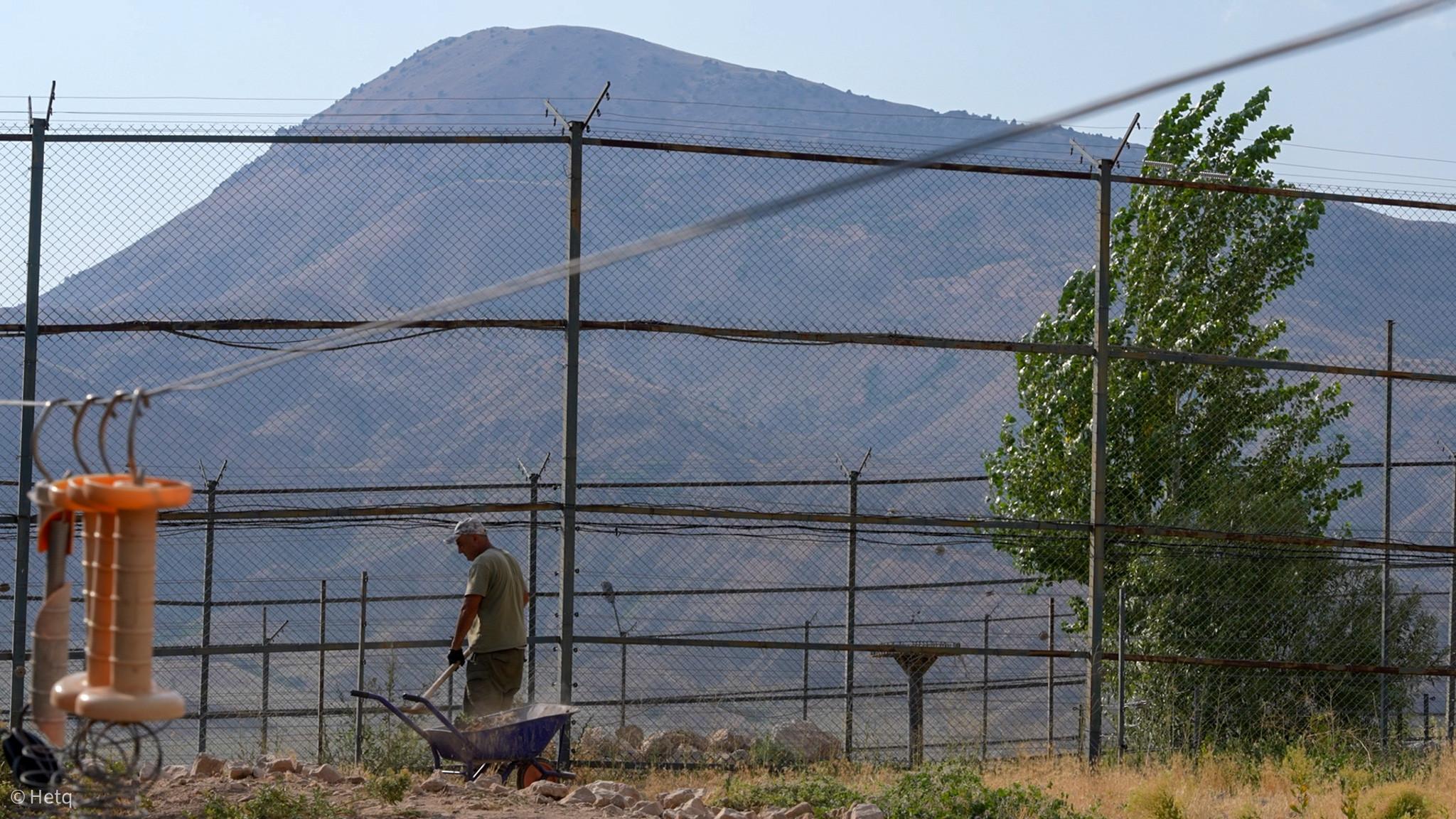
Defining the Boundary of True Love and Freedom
Narine looks at the bears and smiles, her face filled with warmth and love. Yet, she openly acknowledges that these semi-free sanctuary conditions can never truly replace the wild. Because of this, she and her team must constantly find creative ways to fill the bears’ days, so they do not lose their minds.
“Why should this magnificent animal have ended up in the Red Book of endangered species? It shouldn’t be there,” she says. “It’s bad enough that they are endangered, but on top of that, they end up in human hands, behind bars—and that is exactly what we are trying to fight against.”
She recalls a jarring moment during the rescue of Aram’s family. The owner’s neighbors and associates approached the team, defending the owner by explaining how much he loved the bears and how he had raised them from infancy.
“What kind of love is that?” Narine counters. “The animals were living in their own feces, behind bars. You didn’t know what they were being fed or how they were spending their days—and that’s called love? That’s called affection for an animal? I couldn’t find the words; I couldn’t find an explanation for that kind of expression. Love is freedom itself; how can confinement be called love?”
Preserving the Wild Instinct
Despite her deep devotion, Narine intentionally avoids bonding with the bears or allowing them to perceive humans as friends. Her goal is for the animals to connect with the wild, natural environment around them.
“You have to treat them like wild animals; you simply need to understand them. And you love when you understand,” she explains. “Does the animal actually want you to come over, touch it, and pet it? It is a wild predator. I don’t want them to accept humans as companions. They should view humans just as they would in the wild—recognizing that a human can be dangerous, just as they themselves can be dangerous to humans. We shouldn’t cross that boundary or interfere with nature.”
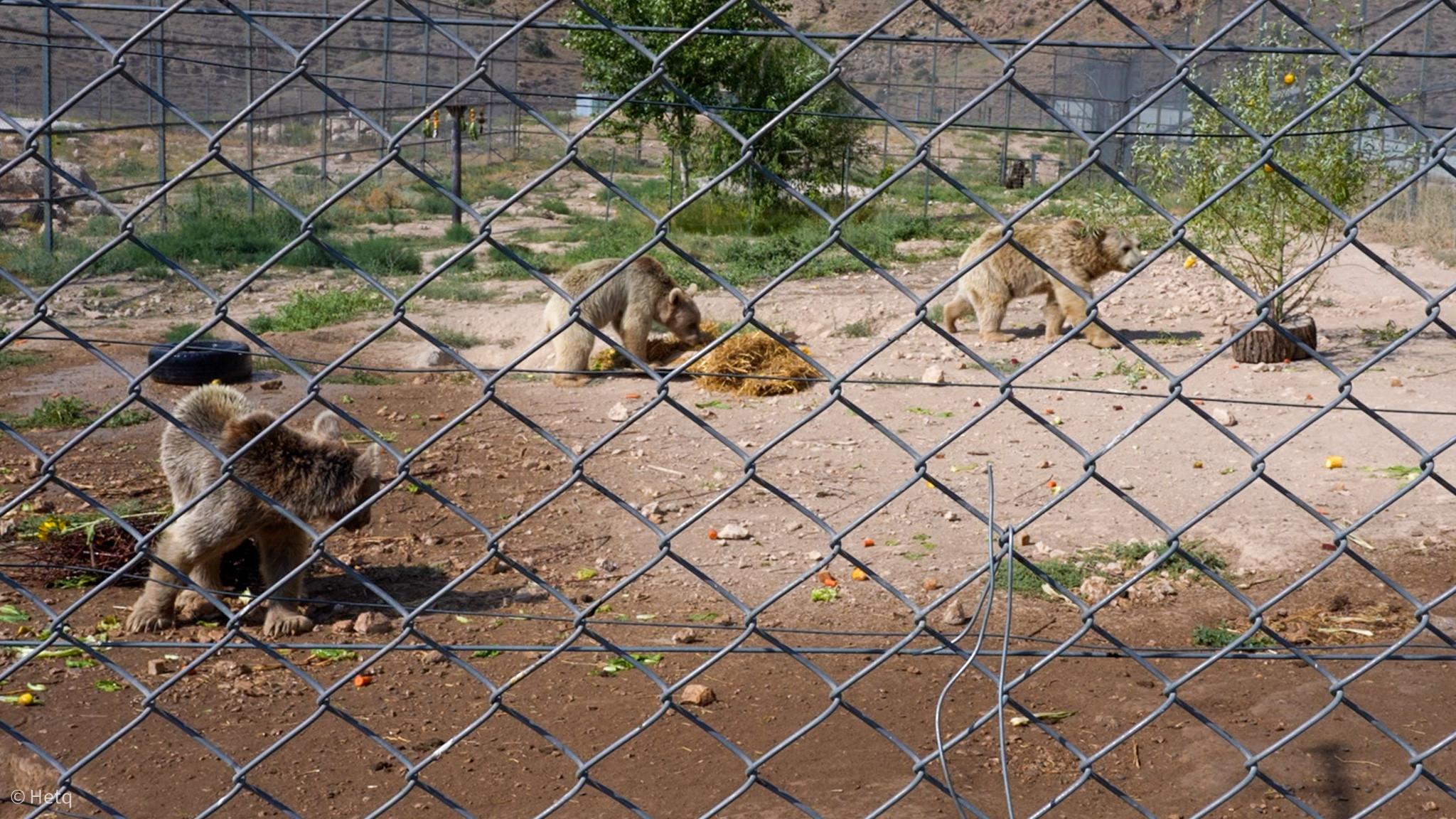
Looking toward the peaks of Mt. Khosrovasar, Narine expresses her ultimate dream: to see these bears living entirely in the wild, completely independent of human schedules. While the refuge provides the most dignified life possible, she emphasizes that semi-free conditions can never replace true freedom for these “jewels of nature.”
One of the core missions of the Foundation for the Preservation of Wildlife and Cultural Assets (FPWC) is to combat the public perception of wild animals as objects of entertainment. By educating children that caging animals is a cruel distortion of nature, the foundation hopes the next generation will make more responsible decisions to ensure predators remain free in their natural habitats.
From Biophysics to Caring for Predators
Narine is a biophysicist by profession. After graduating from university, she worked at a school and, for a brief period, at the Buniatyan Institute of Biochemistry, where she continues to work in its biomedical research laboratory. She recounts that while she was still teaching at the school, she helped found a nature enthusiasts’ club—an initiative that marked the beginning of her journey into the environmental sector.
She recalls that before she began working directly with the bears, she held an office job handling paperwork. There were days when she would visit the rescue center and meet the staff, who would introduce her to the bears.
“I had a colleague who knew the bears by name—he’d say, ‘This one is such-and-such, and that one is so-and-so’—and I found it shocking, truly phenomenal,” Narine says with a laugh. “I wondered if I, too, could ever learn to recognize bears by their faces. But now, I think: how could one not recognize them by their faces? After all, they are so distinct—not just in appearance, but in personality, too.”
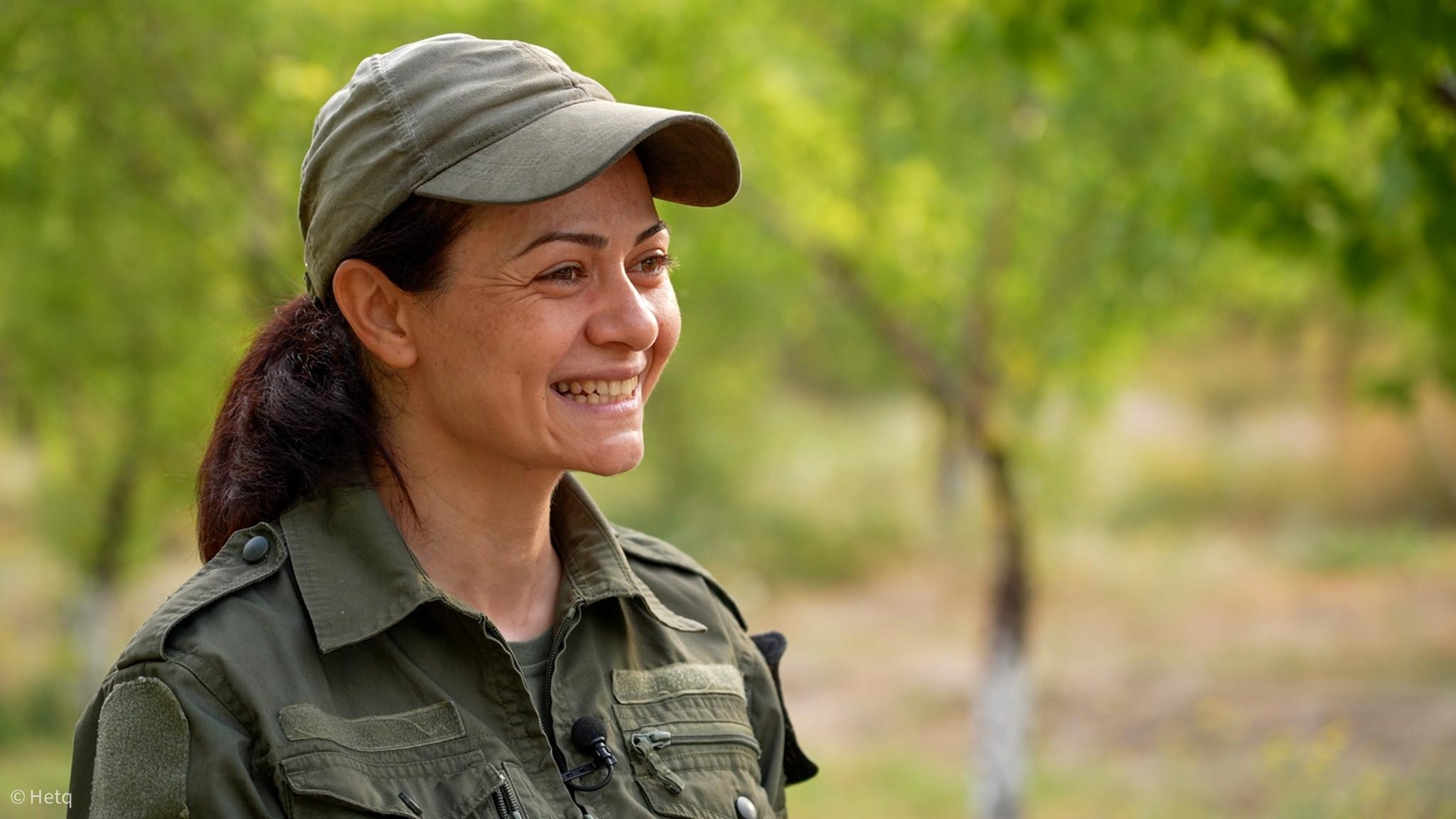
And now, Narine knows each bear individually, recognizing them by both their facial features and distinct personalities. She has learned exactly which foods each bear prefers, which treats they grab first at feeding time, and the unique quirks that define them.
Narine explains that Dili is incredibly devious, noting that he will visually assess anyone who approaches to see if he can catch them off guard, only to mask his intentions behind a harmless expression the moment he fails. Lola stands out as the happiest resident, whereas Max behaves like an oversized cub despite being the most advanced in age. She describes Clevey as a particularly ill-tempered yet fiercely resilient bear who refuses to let the loss of a leg slow him down; though he frequently grumbles to himself, his determination never wavers.
She adds that Reta, who was brought to the center in 2024, possesses a striking and refined beauty that mirrors a regal elegance. Believing Reta to have a background as a former circus performer, Narine recalls that the bear arrived under immense psychological stress, spending hours pacing in endless loops. While the staff initially focused on cognitive exercises to keep her occupied, her true recovery began once she was integrated into a group of bears which Narine fondly labels the “gang.” She notes with a hearty laugh that this group acts as a natural remedy, capable of nursing even the most depressed or ailing bears back to emotional health.
When asked if any of the bears get offended easily, Narine laughs at the idea of a touchy animal. She chuckles and asks Hayk if they even have a bear with such a petty temperament, joking about the absurdity of a bear refusing to eat out of spite.
Moving closer to the habitat shared by Balu, Plant, and Dasha, Narine sets down a small bottle of lavender-scented oil on a nearby rock. As we examine the bottle in surprise, she explains that because these bears cannot roam the open mountains to discover natural aromas on their own, the WRC staff intentionally introduce fragrances to the stones and vegetation. This sensory exercise allows the animals to investigate new smells and rub against the treated surfaces to transfer the scent onto their fur.
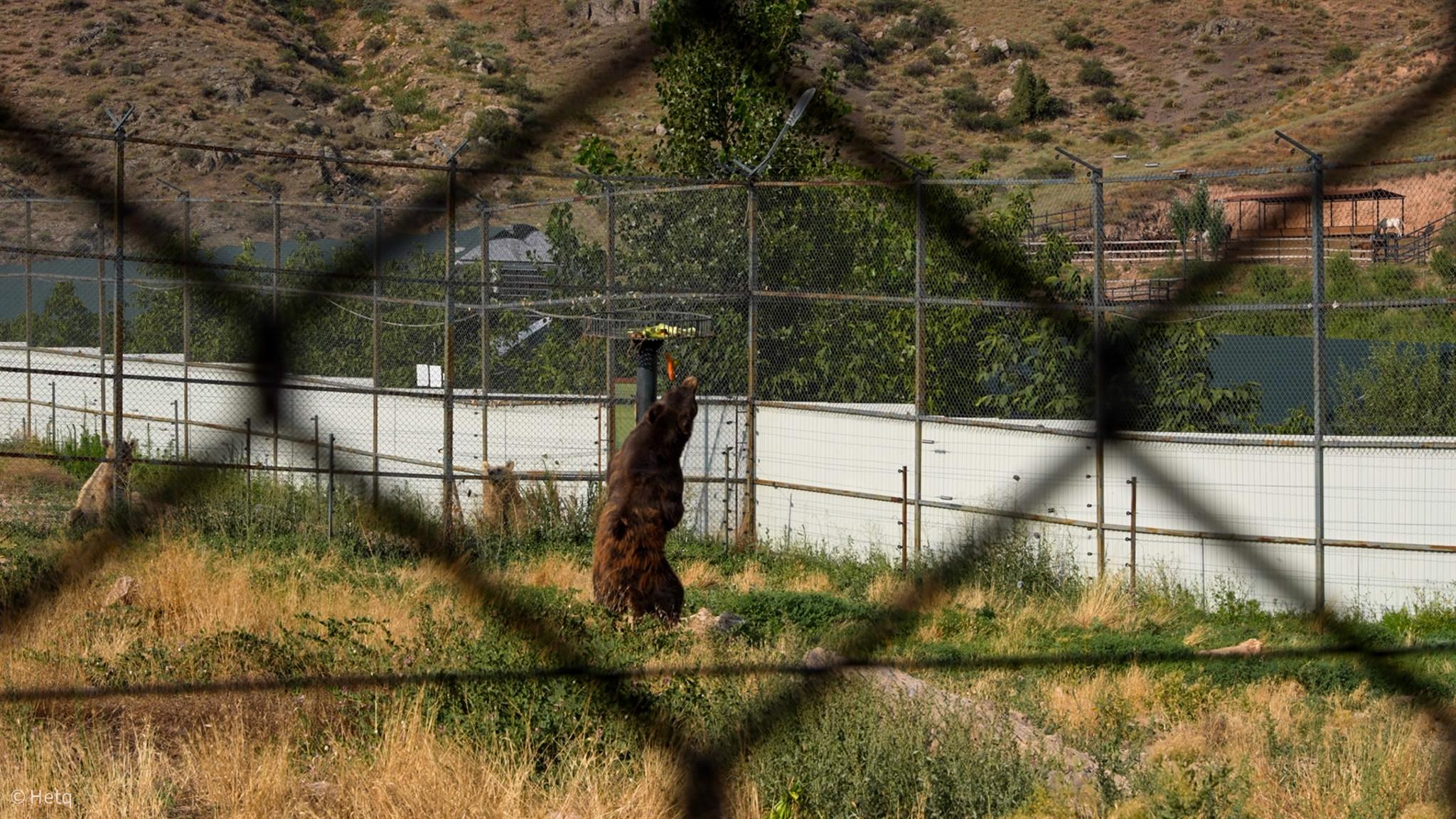
When asked whether she finds it easier to communicate with bears or humans, Narine shares that her deepest allegiance remains with her own species. While she possesses a profound love for nature and wildlife, she emphasizes that human beings represent the ultimate value to her. She believes it is natural for every species to gravitate toward its own kind, explaining that her compassionate attitude toward animals is a direct reflection of her human nature.
Bears That Will Never Return to the Wild
The daily routines, the continuous care, and the fascinating personalities of the animals bring immense joy to the sanctuary. Yet, a somber reality overshadows the center’s work: no matter how much effort the Urtsadzor rescue center invests in their physical and psychological well-being, these giant predators can never return to the wild. The trauma of their past and their reliance on human management mean this refuge will remain their final home.
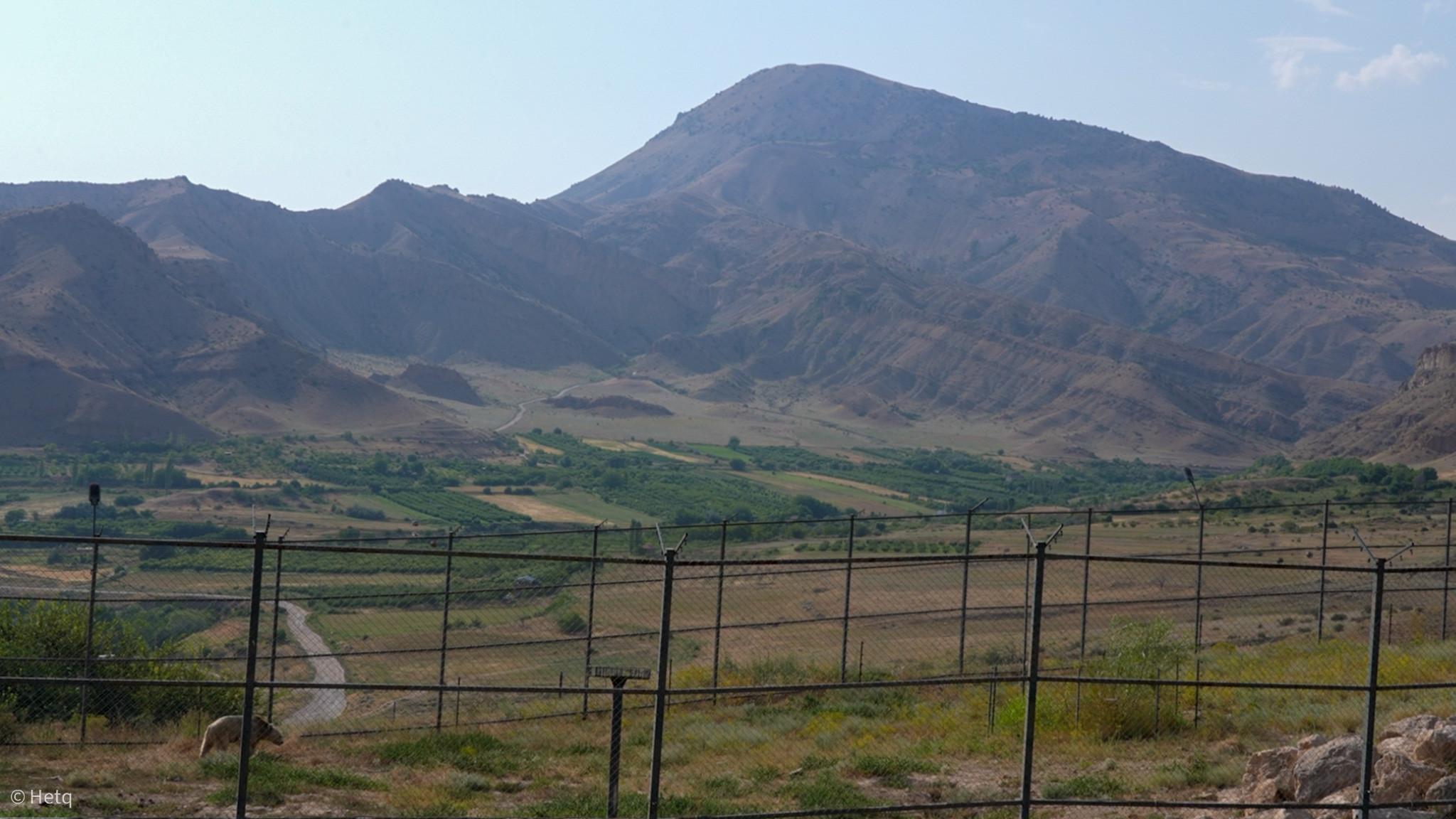
Narine explains that returning adult bears to the wild is impossible because international data shows that hand-fed animals view humans as food providers. If released, they would likely seek out people, creating a situation that could be fatal for both parties. Furthermore, years of confinement weaken or dull the vital survival instincts these predators need to compete against wild animals.
The outlook is entirely different for cubs, who still have a chance to return to nature.
A Path Back to Nature for the Youngest
Cubs typically arrive at the Wildlife Rescue Center after being found orphaned or separated from their mothers in the wild. Because wild cubs rely on their mothers for up to two years to learn how to hunt, hibernate, and protect themselves, they cannot survive on their own.
To preserve their wild nature, the refuge keeps the cubs under round-the-clock video surveillance. This method ensures a completely contact-free environment where neither the humans nor the cubs see one another. By studying the footage, staff can monitor their behavior and step into the maternal role from afar without corrupting the animals’ natural instincts.
To protect the cubs from losing their wild nature, accessing their enclosure is strictly forbidden for almost everyone. This rule ensures they never grow accustomed to human scents, voices, or general presence. Only a small, select group of specialists are permitted to approach them, allowing the young bears to maintain their natural instincts so they can eventually be released into the wild following expert consultations.
The Ultimate Reward: Returning to the Wild
When asked when she truly feels victorious, Narine points directly to the moments they successfully return rehabilitated animals to their natural habitats.
She vividly recalls her first experience tracking a group of cubs, noting their distinct behaviors, and addressing their individual health needs, which culminated in her participating in their release day. Narine remembers that when the gates finally opened to let them back into nature, one cub briefly turned around, caught their gaze, and then walked forward into the mountains. For her, that single moment proved that all their exhausting work is completely worth it.
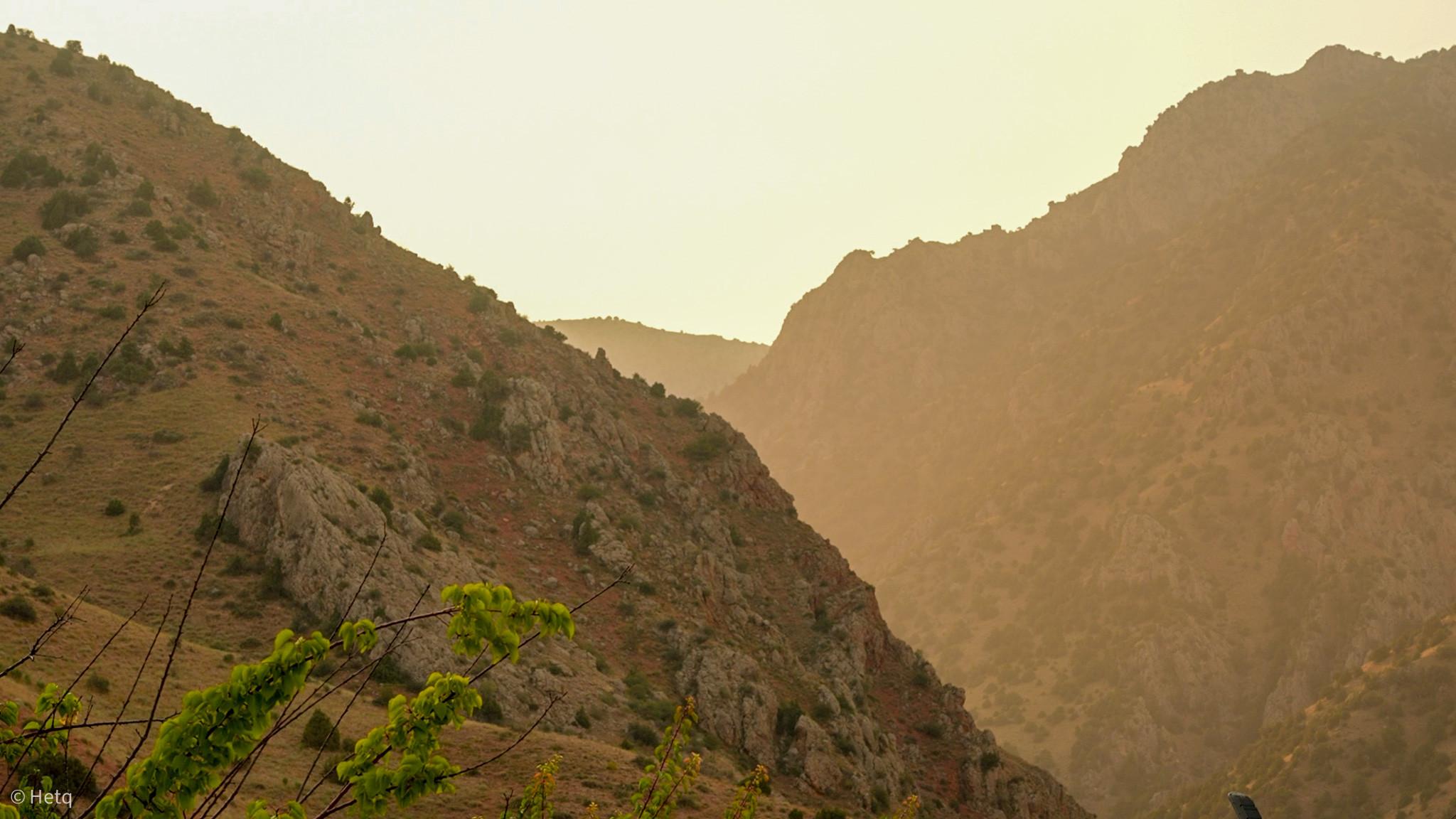
Once the beautiful Reta, the joyful Lola, aging Max, the stubborn Clevey, devious Dili, and the rest of the residents are fast asleep, Narine takes her laptop to the table in the staff quarters’ living room. Exhausted from the day’s constant demands, she finally takes off her signature hat and lays it aside to review the day’s operations and milestones.
Outside, a deep silence settles over the Urtsadzor night. The steady hum of crickets fills the air, punctuated only by the occasional bark of the center’s guard dogs. While the adult bears rest, the nocturnal cubs wake up to start their day.
Narine sits watching the tiny, furry figures on the security monitors, alternating between quiet smiles and intense focus as she evaluates their movements. Despite her heavy, tired eyes, her characteristically gentle smile never fades, even with only a few hours left before the entire cycle begins again.
If you found a typo you can notify us by selecting the text area and pressing CTRL+Enter